Respuesta corta:
Entre DeepSeek V4 y OpenAI GPT-5.5, En general, GPT-5.5 sale ganando en todos los aspectos, sobre todo en el razonamiento, la programación y la ejecución de tareas complejas.
Sin embargo, DeepSeek-V4 ofrece un rendimiento competitivo—e incluso ofrece mejores resultados en algunos ámbitos, como la visualización de HTML—, al tiempo que resulta más eficiente y ligero.
En resumen: GPT-5.5 es, en general, más potente, pero DeepSeek-V4 ofrece un rendimiento impresionante a un coste mucho menor.
El 24 de abril de 2026 ocurrió algo inusual: fue como un “viernes de locos” para los desarrolladores de IA de todo el mundo, el tipo de día que podría pasar a la historia de la tecnología.
A primera hora de la madrugada, OpenAI publicó GPT-5.5 Justo a tiempo, con el objetivo, una vez más, de redefinir los límites de la inteligencia a gran escala.
Pero antes de que se calmaran las repercusiones, al otro lado del océano, DeepSeek entró en escena y lanzó DeepSeek-V4 el mismo día, en un enfrentamiento directo.
Por un lado, se presentó como un gran espectáculo tecnológico. ¿Y por el otro? Un contraataque por parte del mundo del código abierto que estuvo a punto de “dar la vuelta a la mesa”.
La carrera hacia AGI De repente me sentí más bajito.
GPT-5.5 frente a DeepSeek-V4: una comparativa directa
Prueba de rompecabezas: Verdad, mentiras y razonamiento sobre la identidad
La primera prueba parece sencilla, pero no lo es.
Hay cuatro personas: A, B, C y D. Solo una de ellas robó una gema.
- R: No lo he robado.
- B: C lo robó.
- C: D lo robó.
- D: B está mintiendo.
Condiciones conocidas:
- Hay exactamente dos afirmaciones que son ciertas
- El ladrón siempre miente
- Las personas que no son ladrones pueden mentir o decir la verdad
A primera vista, parece que se puede resolver, pero en realidad, tanto B como C cumplen todas las condiciones.
Esta es una pregunta con trampa.
La verdadera prueba es si el modelo detecta que el problema no se puede determinar de forma unívoca.
Un modelo más sólido debería responder:
No es posible identificar al ladrón de forma unívoca. Podría ser B o C. Las condiciones son insuficientes.
GPT-5.5 se dio cuenta enseguida de la trampa.
DeepSeek-V4, por otro lado, tardó mucho más: su proceso de razonamiento se alargó considerablemente. Pero, al final, llegó igualmente a la conclusión correcta.
El resultado es correcto. Es solo que el proceso es más lento.
Razonamiento matemático: puesta a prueba de los límites de profundidad de la teoría de la cognición (CoT)
Problema de juego de nivel IMO
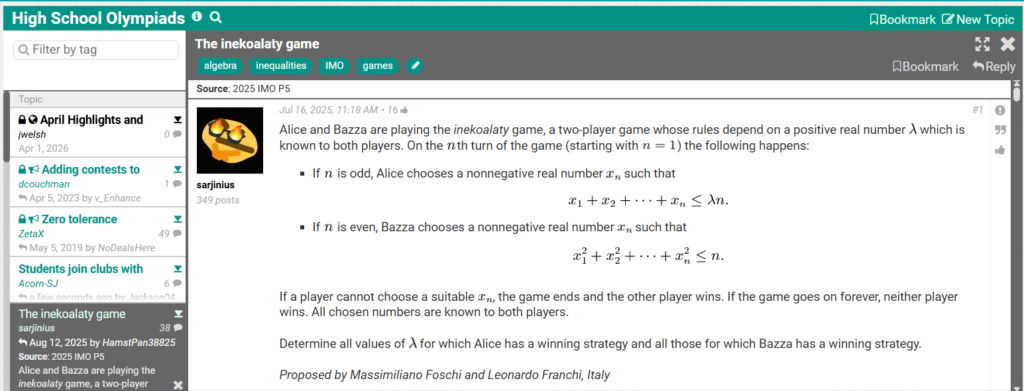
Para llevar el razonamiento al límite, utilizaron un problema real del nivel de la Olimpiada Internacional de Matemáticas:
Alice y Bob juegan a un juego en el que interviene un parámetro λ:
- Rondas impares: elige Alice xn, con una suma total ≤ λn
- Rondas pares: elige Bob xn, con suma de cuadrados ≤ n
- Si un jugador no puede mover, pierde.
- Juego infinito = no hay ganador
La tarea: determinar para qué valores de λ cada jugador tiene una estrategia ganadora.
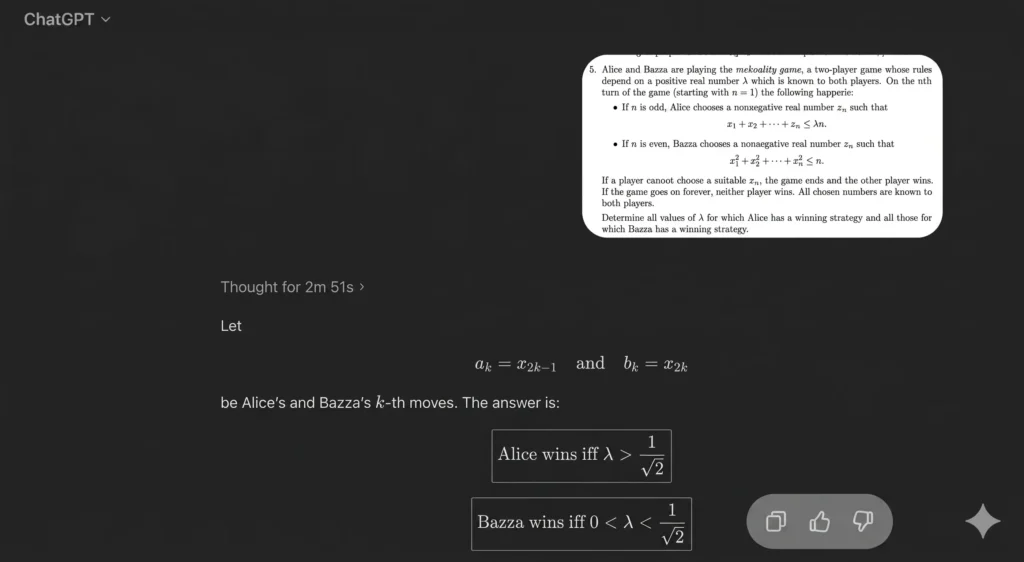
Rendimiento de GPT-5.5
En el modo de razonamiento profundo, GPT-5.5:
- Ha dado con la respuesta correcta
- Tomó 2 minutos y 51 segundos
- Demostró un razonamiento claro y estructurado
- Se ha entregado con un formato impecable
Rendimiento de DeepSeek-V4
Con el modo experto activado:
- Al principio no se obtuvo una respuesta clara
- Continuación obligatoria
- Al final encontré el camino correcto
- Se ha completado con éxito la prueba
Se ve claramente: la profundidad de razonamiento de DeepSeek ha mejorado mucho, pero sigue siendo más lento y menos contundente. Sin embargo, teniendo en cuenta que DeepSeek empieza a actualizarse con frecuencia, es posible que esta diferencia no dure mucho tiempo.
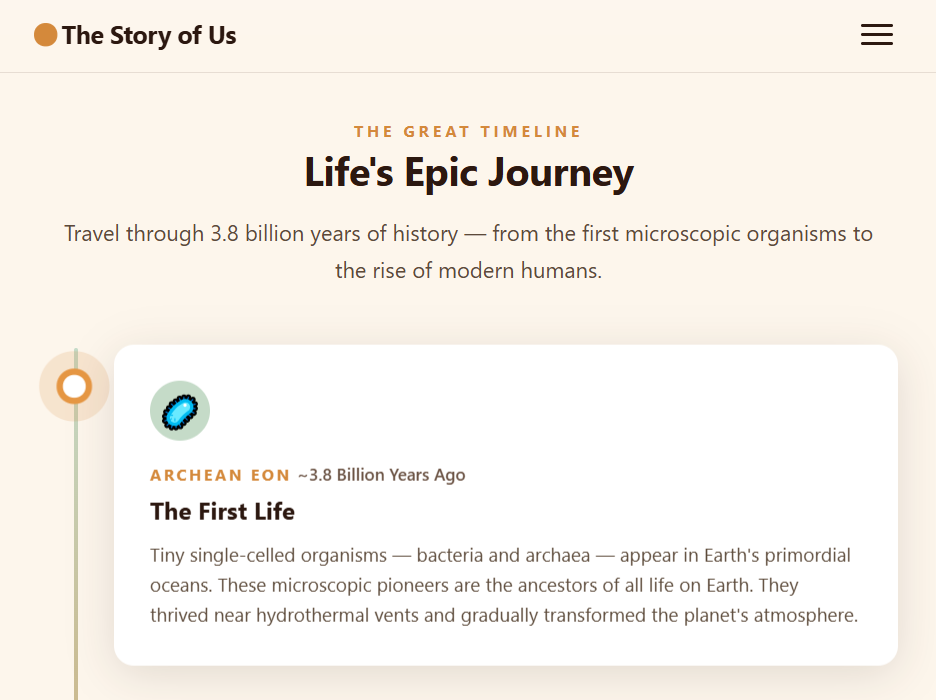
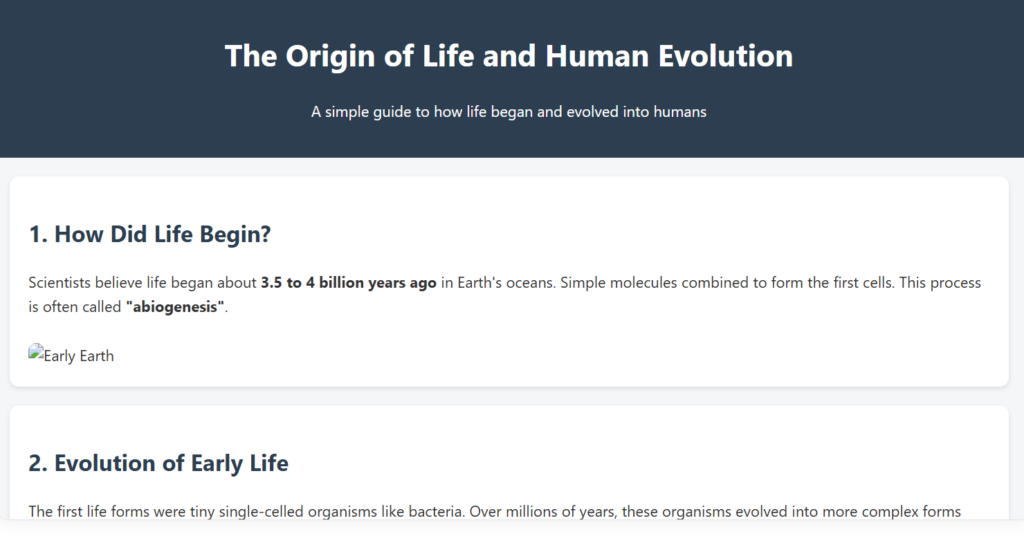
Capacidad de visualización: generación de contenido HTML
Tarea: Crear una página web educativa
Indicación: crea una página HTML en la que se explique el origen del ser humano y la evolución biológica, con imágenes.
- DeepSeek-V4 ha tenido mejores resultados aquí
- GPT-5.5 presentaba problemas de formato
Esta ronda se la lleva DeepSeek.

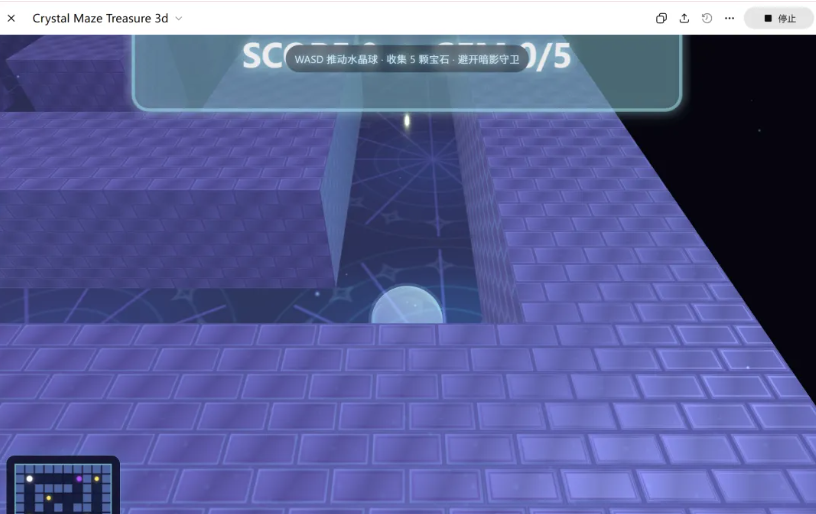
Desarrollo de videojuegos: capacidades en 2D frente a 3D
Tarea: Crear una página web sobre videojuegos
Entre los requisitos se incluían:
- Gráficos dinámicos
- Interacción en 3D
- Detección de colisiones
- Arquitectura general
GPT-5.5:
- Se ha completado rápidamente
- Se ha entregado una versión preliminar funcional
- Mejor rendimiento y arquitectura
DeepSeek-V4:
- Esta vez hay que pensar más rápido
- Pero una producción final más débil
En esta ronda: GPT-5.5 gana con claridad.
GPT-5.5 parece más “humano”
Tanto entre los primeros probadores como entre los desarrolladores, se llegó a una conclusión unánime:
GPT-5.5 destaca en:
- Programación
- Razonamiento
- Tareas largas
Pero lo que realmente destaca es otra cosa: da la sensación de ser más humano.
- Más caro por token, pero más barato en total
- Más potente y, además, con una mejor capacidad de conversación
- Más autónomo, pero también más controlable
Es como si el modelo no solo se hubiera actualizado, sino que hubiera cambiado de carácter.
Modo Codex: Más allá de la “programación asistida por IA”
Las características de GPT-5.5 Modo Codex elimina prácticamente la idea de la “programación asistida por IA”.”
Un probador le hizo una revisión completa del PRD y solo dijo una palabra: ir
Unas horas más tarde, todo el proyecto estaba terminado.
Y lo que es más importante, el flujo de trabajo:
- Construir
- Inspeccionar visualmente
- Detectar problemas
- Iterar
Forma un circuito cerrado, algo que rara vez se había visto antes.
Noam Brown comentó que su productividad nunca ha sido tan alta: ahora puede escribir núcleos CUDA y realizar experimentos con la ayuda de GPT-5.5.
Puntos fuertes y puntos débiles
Puntos fuertes
- Desarrollo de backend
- Depuración compleja
- Comprensión de bases de código de gran tamaño
- Tareas relacionadas con hojas de cálculo (rendimiento de vanguardia)
- Tareas de investigación de larga duración (hasta 31 horas de ejecución autónoma)
La IA está pasando de ser un asistente a convertirse en un contratista.
Puntos débiles
- El diseño del salpicadero sigue sin estar a la altura de los modelos de gama alta
- A veces, demasiado precavido
- Puede provocar un exceso de pruebas unitarias
- De vez en cuando, se ven SVG desordenados o atajos de maquetación
Es fuerte, pero necesita orientación.
Por qué GPT-5.5 da una sensación diferente
Está construido sobre un nueva fase de preentrenamiento.
El preentrenamiento define las capacidades fundamentales del modelo antes de:
- Ajuste de instrucciones
- Uso de herramientas
- Estructuras de razonamiento
A diferencia de GPT-5.4, que reutilizaba bases anteriores, GPT-5.5 introduce una nueva base.
Probablemente eso explique:
- Mayor coherencia
- Mayor eficiencia
- Un comportamiento más estable
Incluso hay indicios de que se trata simplemente de un punto de control inicial de un modelo futuro más sólido.
La paradoja del coste: más caro, pero más barato
Sobre el papel, Precios de GPT-5.5 es superior a 5,4.
Pero en la práctica:
- Utiliza menos tokens para las mismas tareas
- Realiza las tareas más rápido
- Requiere menos intentos
Efecto neto: menor coste real
Esto es muy importante para los agentes de IA, ya que la eficiencia de los tokens influye directamente en la escalabilidad.
Una visión más amplia
GPT-5.5 no supuso un “cambio radical”.”
En cambio, lo que hace es:
- Se han suavizado las asperezas
- Se han reforzado las áreas más débiles
- Ha ganado en fiabilidad en tareas complejas del mundo real
No es magia.
No sustituirá a unos objetivos claros, al contexto ni a la verificación.
Pero para la mayoría de la gente, la mayor parte del tiempo, sencillamente funciona mejor.
Conclusión final: un modelo más completo
GPT-5.5 no se limita a ser más inteligente.
Se trata de ser:
- Más amplio
- Más seguro
- Más coherente
Llena los huecos.
Y eso, sin hacer mucho ruido, podría ser lo más importante de todo.