Proprio poco fa, Yao Shunyu ha guidato il team nella “ricostruzione” di Hunyuan, e il primo modello su larga scala è stato messo in funzione.
Proprio ora, Tencent Anteprima di Hy3 è arrivato.
Questa è la prima versione di Hy3 rilasciati dopo che il team Hunyuan di Tencent ha ricominciato da zero, partendo dall'architettura e dall'infrastruttura. Il primo lotto di modelli è di dimensioni relativamente ridotte ed è orientato alla praticità.
Vale inoltre la pena sottolineare che Anteprima di Hy3 è il primo risultato di rilievo ottenuto da Yao Shunyu dopo il suo ritorno in Cina e il suo ingresso in Tencent. Esso fa seguito alla sua idea della “seconda fase dell’IA”, in cui il Modello Hy3 viene perfezionato e migliorato nell'ambito delle attività concrete e degli scenari complessi di Tencent, ponendo l'accento sull'efficacia e sulla praticità nei casi d'uso reali.
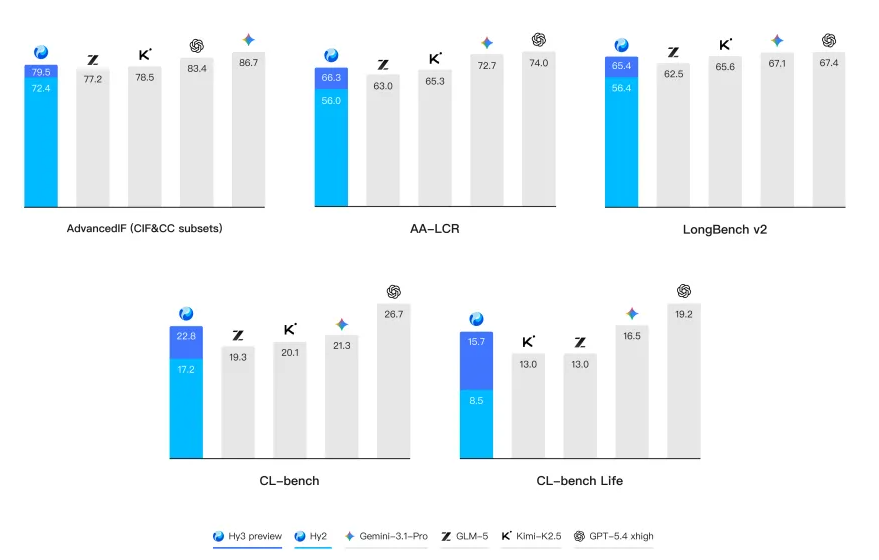
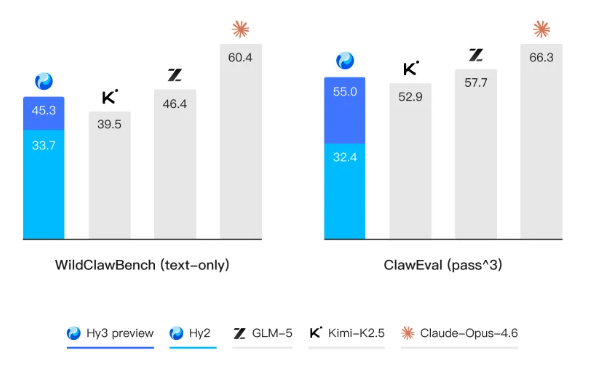
Tencent ha dichiarato che la nuova generazione Modello Hy3 migliora le capacità relative alla chat, alla programmazione, agli agenti, al ragionamento matematico, alla capacità di seguire istruzioni e alla comprensione del contesto.
Implementazione di Hy3 nell'ecosistema di Tencent
Attualmente, Anteprima di Hy3 è già stato lanciato su Tencent Cloud, Yuanbao, ima, CodeBuddy, WorkBuddy, QQ, QQ Browser, Tencent Docs e Tencent Lexiang. Inoltre, viene gradualmente implementato anche su prodotti di punta quali gli Account Ufficiali di WeChat, Peacekeeper Elite, Tencent News, Tencent Self-selected Stocks, Tencent Customer Service e WeChat Reading.
Inoltre, Hy3 Preview supporta l’integrazione con i più diffusi strumenti open source per la gestione degli agenti, quali OpenClaw, OpenCode e KiloCode, ed è stato inserito nella piattaforma di servizi per modelli di grandi dimensioni di Tencent Cloud, TokenHub.
Prima delle festività del Primo Maggio, i team globali specializzati in IA hanno messo in atto una serie di iniziative. Abbiamo già visto Anteprima di Qwen 3.6 Max, Kimi 2.6 di Moonshot AI, seguito a ruota da MiMo-V2.5-Pro di Xiaomi.
Ma quanto è davvero capace Tencent? Anteprima di Hy3 come modello di base di grandi dimensioni? Successivamente, abbiamo testato Hy3 pratico.
Test di stress sulle capacità dell'agente Hy3: è riuscito a portare a termine il “compito dell'aragosta”?
Hy3: Ragionamento in più fasi e ricerca
Yao Shunyu è l'ideatore del framework ReAct (logica di base per gli agenti), quindi Anteprima di Hy3’I miglioramenti apportati comprendono naturalmente funzionalità relative alla programmazione e agli agenti, in linea con le tendenze tecniche e la domanda di mercato della seconda metà dell'anno, caratterizzata dal ruolo centrale degli agenti.
Nell'assistente virtuale WorkBuddy di Tencent, possiamo chiedere Hy3 per svolgere attività di programmazione, ricerca approfondita, gestione dei prodotti, analisi dei dati e altro ancora.
Ad esempio, abbiamo chiesto Anteprima di Hy3 per verificare le voci relative al finanziamento di DeepSeek, richiedendole di confrontare almeno cinque fonti autorevoli con background diversi, elencare i fatti noti e le incongruenze logiche e fornire punteggi di affidabilità.
Hy3 è stato in grado di avviare autonomamente ricerche articolate in più fasi, portare a termine ragionamenti complessi, risolvere sistematicamente le contraddizioni tra le fonti e, infine, presentare un rapporto d’indagine obiettivo e neutrale, il tutto senza alcun intervento umano.
Attività di analisi e visualizzazione dei dati Hy3
Abbiamo inoltre chiesto Anteprima di Hy3 per recuperare dati dalla Divisione della Popolazione delle Nazioni Unite e completare un’analisi di visualizzazione sui “cambiamenti nella struttura demografica globale”.”
Si tratta di un'attività complessa che comprende l'acquisizione, la pulizia, l'analisi e la visualizzazione dei dati. Hy3 ha gestito la cosa in modo relativamente agevole, producendo alla fine grafici intuitivi e testi analitici.
L'abilità di codifica Hy3 nella pratica
Nei test di capacità di programmazione, che riflettono le moderne programmazione intuitiva Per mettere alla prova queste funzionalità, abbiamo chiesto a Hy3 Preview di generare un gioco “match-three” basato sul web.
Il risultato finale presentava una grafica curata, una logica impeccabile e funzionava correttamente. La qualità complessiva di Hy3 ha superato le aspettative.
Hy3 Conversazione e creatività: le basi sono solide?
Possiamo notare che Tencent Hunyuan, come altri modelli, distingue tra diverse modalità: il “pensiero veloce” per risposte più rapide e il “pensiero approfondito” per un ragionamento più approfondito e risposte di qualità superiore. In questo caso, abbiamo utilizzato esclusivamente il “pensiero approfondito” con Anteprima di Hy3.
Hy3: Conversazioni quotidiane e comprensione delle emozioni
Questo aggiornamento punta sulla praticità, quindi abbiamo provato innanzitutto a intrattenere una conversazione informale con Hy3.
Quando ci siamo lamentati con Anteprima di Hy3 Riguardo al fatto che ultimamente mi sentissi un po’ meno lucido, mi ha suggerito con pazienza che la causa potrebbe essere la mancanza di sonno, lo stress lavorativo o il fatto di passare troppo tempo a scorrere i video brevi, e mi ha dato tre piccoli consigli.
Riprendendo il tema della mancanza di ispirazione nella scrittura, Hy3 si collegava in modo naturale al contesto della conversazione, adattava il tono e la profondità in base al nostro stato emotivo e forniva suggerimenti creativi mirati.
Può inoltre trasmettere un forte valore emotivo, arrivando persino a elogiare in modi diversi.
Hy3 Ragionamento basato sul buon senso
In precedenza, Zhihu aveva ospitato una discussione dal titolo “IA, accetta questa sfida”, che includeva domande complesse in cui l’intelligenza artificiale spesso fallisce. Una delle domande era: “Ho scoperto solo quest’anno che i miei genitori biologici non mi hanno invitato al loro matrimonio. Sono sconvolto. Cosa dovrei fare?”
Molti modelli di grandi dimensioni hanno dato risultati errati, trascurando la logica di base secondo cui il bambino non era ancora nato al momento del matrimonio dei genitori. Anteprima di Hy3 ha colto subito questo punto, ha aiutato l'utente a fare ordine tra le proprie emozioni e ha dato prova di un solido ragionamento basato sul buon senso e di grande empatia.
Hy3: Scrittura creativa e imitazione dello stile
Hy3 Copywriting per i social media
Di recente, un'immagine mozzafiato degli astronauti della NASA che guardano la Terra attraverso il finestrino della navicella Orion è diventata virale.

Abbiamo chiesto Anteprima di Hy3 per generare cinque didascalie da pubblicare sui social media per l'immagine. Innanzitutto ha analizzato l'atmosfera, ha scelto spunti emotivi come la solitudine e lo stupore, il rispetto per la Terra, nonché la piccolezza e la grandezza dell'umanità, quindi ha prodotto didascalie in stili diversi: alcune letterarie, altre filosofiche. Qualsiasi di queste da Hy3 potrebbe essere pubblicato direttamente.
Hy3 Scrivere in uno stile specifico
Per quanto riguarda l'imitazione dello stile, abbiamo chiesto Hy3 scrivere un racconto breve nello stile di O. Henry.
Hy3: Ricerca e affidabilità delle informazioni
Per quanto riguarda la funzionalità di ricerca, abbiamo chiesto a Hy3 Preview di indagare sul motivo per cui Meta raccoglie forzatamente i dati relativi agli input di mouse e tastiera. Ha citato prontamente fonti autorevoli e ha fornito una risposta chiara e basata su dati concreti.
Che si tratti di consultare notizie, politiche o verificare informazioni specifiche, Hy3’Le prestazioni complessive sono state relativamente affidabili.
Hy3 e la ricostruzione della “seconda metà dell’IA”
Secondo quanto riportato, Anteprima di Hy3 è un modello linguistico MoE (Mixture of Experts) che integra il ragionamento veloce e quello lento. Il Modello Hy3 ha un totale di 295 miliardi di parametri, di cui 21 miliardi attivati, supporta una lunghezza del contesto di 256K e garantisce un equilibrio tra praticità ed efficienza in termini di costi.
In questa nuova generazione Hy3 Per quanto riguarda il modello, il lavoro principale del team Hunyuan si è concentrato sulla ricostruzione delle basi, rendendo più solidi molti aspetti — in particolare il pre-addestramento e l’infrastruttura di apprendimento per rinforzo, che sono stati completamente ricostruiti. Anziché perseguire innovazioni minori nei meccanismi di attenzione o nell’architettura di base, il Architettura Hy3 segue un percorso di sviluppo ben consolidato nel settore dell’ingegneria meccanica e investe massicciamente nel potenziamento delle infrastrutture ingegneristiche.
Ciò significa che Anteprima di Hy3’La stabilità, l’efficienza nella gestione del flusso di dati e la produttività della pipeline di apprendimento per rinforzo potrebbero aver raggiunto un livello senza precedenti, pari a quello industriale.
Valutazione dell'allenamento eccessivo con Hy3
Durante l'allenamento, il Modello Hy3 pone l'accento sulla valutazione dei modelli e rafforza la ricerca sui benchmark sviluppati autonomamente. Ciò è in linea con l'idea già espressa in precedenza da Yao Shunyu: la valutazione è più importante dell'addestramento (Valutazione > Addestramento).
Nel suo articolo “The Second Half of Large Models”, Yao Shunyu ha sottolineato che l’attuale “ricetta” dei modelli di grandi dimensioni (pre-addestramento + apprendimento per rinforzo + scalabilità computazionale) è già altamente matura, in grado di generalizzare e risolvere problemi complessi. La domanda chiave per la seconda fase diventa quindi: “Come dovremmo addestrare l’IA?” Hy3 ”Cosa fare?"
Poiché il modello generale è già estremamente potente, dedicare uno sforzo enorme alla messa a punto potrebbe portare solo a un miglioramento di circa 5%. Pertanto, la valutazione assume un’importanza maggiore rispetto all’addestramento. Il settore deve ricostruire i sistemi di valutazione, progettando nuovi compiti e paradigmi più vicini agli scenari del mondo reale, anziché limitarsi a formulare domande di prova più difficili.
Hy3: dalla tecnologia alla risoluzione dei problemi del mondo reale
Per sopravvivere e crescere nella seconda fase dell’IA, i professionisti devono cambiare mentalità e adottare una prospettiva da “product manager”. Ciò significa riflettere a fondo su chi dovrebbe piacere all’IA Hy3 a cosa serve, quali problemi concreti dovrebbe risolvere e come misurare oggettivamente se li risolve in modo efficace.
A questo proposito, Tencent presenta alcuni degli scenari aziendali più complessi sia in Cina che a livello globale, che spaziano da WeChat ai videogiochi, dalla pubblicità ai servizi cloud. Il suo ambiente di valutazione sviluppato internamente è, di conseguenza, perfettamente in linea con i flussi aziendali reali, le sfide e i punti critici.
L'uscita di Anteprima di Hy3 potrebbe già rappresentare uno strumento di produttività all’interno dell’ecosistema di Tencent in grado di risolvere problemi concreti.
Hy3 è solo il punto di partenza
Anteprima di Hy3 ha iniziato la formazione alla fine di gennaio 2026 e sono bastati meno di tre mesi dalla formazione al lancio. Questo segna una svolta per il Modello Hy3—da “leggere migliaia di libri” a “percorrere migliaia di miglia”, iniziando ad affrontare i problemi del mondo reale.
Anteprima di Hy3 è solo un punto di partenza. In futuro, il team di Hunyuan spera di migliorare ulteriormente Hy3 funzionalità grazie alla collaborazione con sviluppatori e utenti, consentendo il Ecosistema Hy3 per continuare a evolversi in contesti e attività reali.