Recently, Anthropic released a new product called Claude Design.

At first glance, it might seem like just another AI design tool.
But the market reacted differently—stocks of companies like Figma, Adobe, and Wix all declined shortly after.
A product still in research preview basically hit all competitors in the AI design software space.
Three days before launch, April 14, someone named Mike Krieger stepped down from Figma’s board.
Who is he? Co-founder of Instagram, one of the most successful visual products ever made.
And now, he’s leading the team building Claude Design.
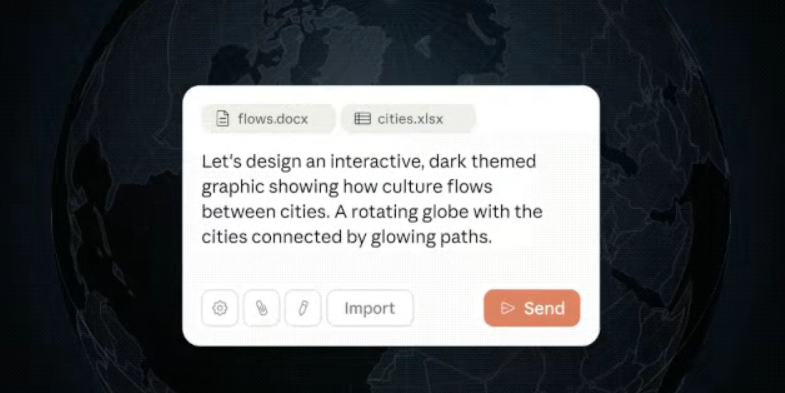
So what exactly did Claude Design do to trigger such a strong reaction from the capital market?
What Claude Design Actually Does
You just chat with Claude Design, and it can generate:
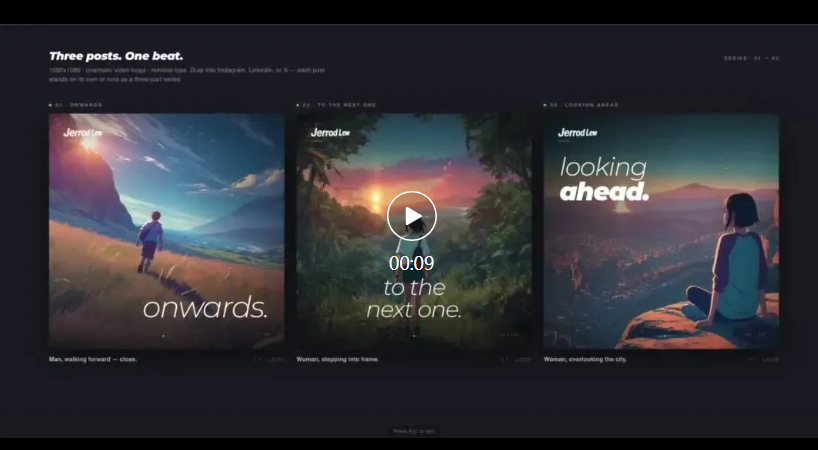
Dynamic social pages with Claude Design
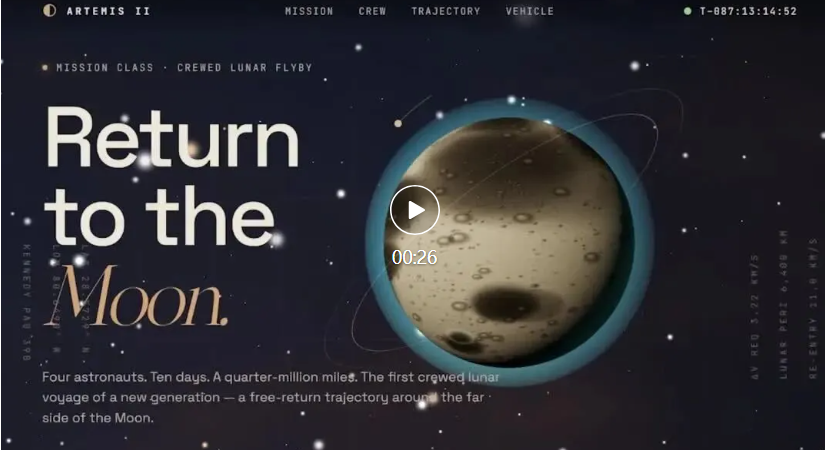
Fully interactive websites with Claude Design
A complete product promo video with Claude Design

Put simply, you describe in plain language what you want—a prototype app, a PPT, a marketing landing page, a product wireframe—and Claude Design directly generates an interactive design draft.
Clickable, scrollable, operable—not a static screenshot. And the aesthetics are honestly kind of scary good…
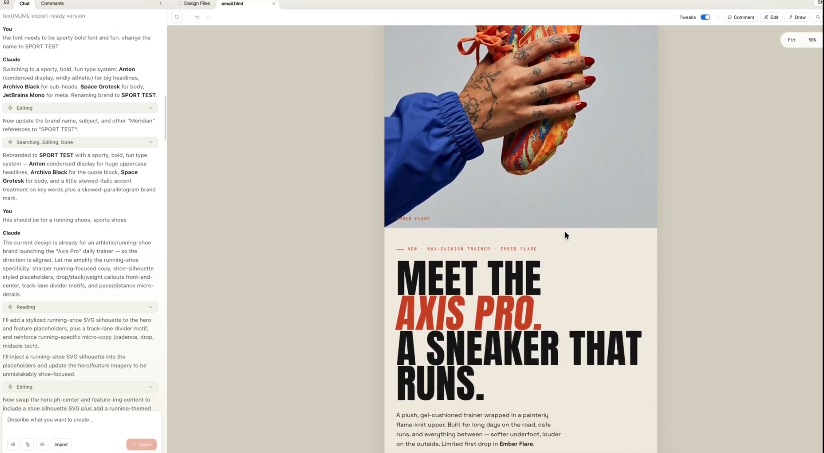
How to Use Claude Design (Simple Workflow)
Before, many AI tools would fall apart when it came to editing. You say “move the button a bit to the left,” it rebuilds the whole page, and after that even you don’t recognize it.
Claude Design directly gives four controllable ways to edit, each hitting different real pain points.
You can just tell Claude Design what to change in chat—that’s the most basic.
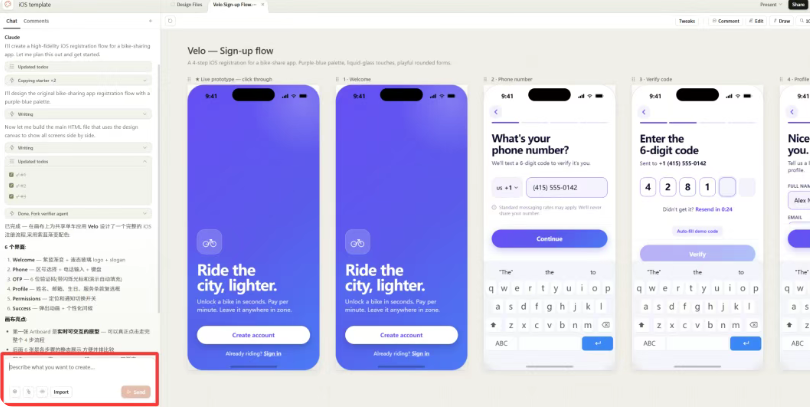
You can also select an element on the design and leave comments like you would in Figma.
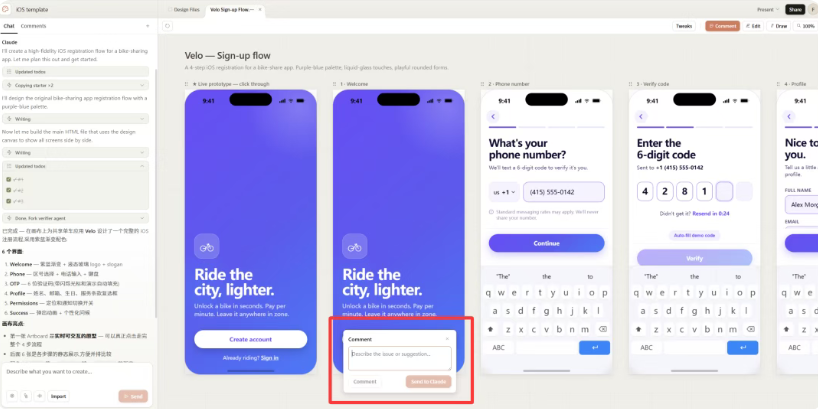
You can switch to edit mode, open a property panel on the right, and manually tweak font, size, color, spacing.
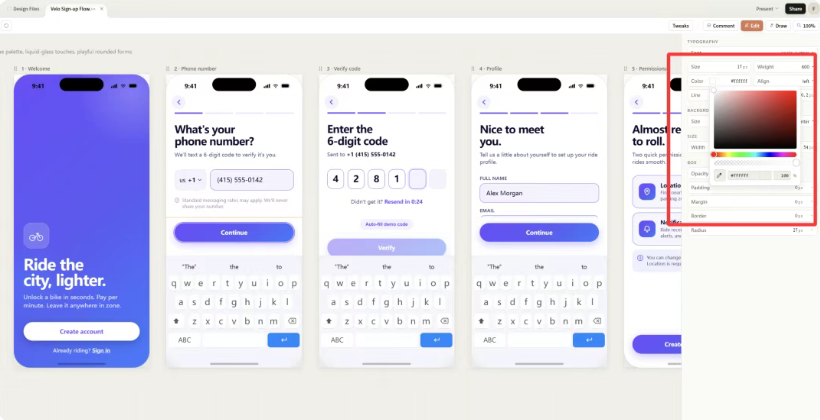
The most wild one: Claude Design automatically generates adjustment sliders based on your design—theme color intensity, spacing, animation speed—you just drag until it feels right.
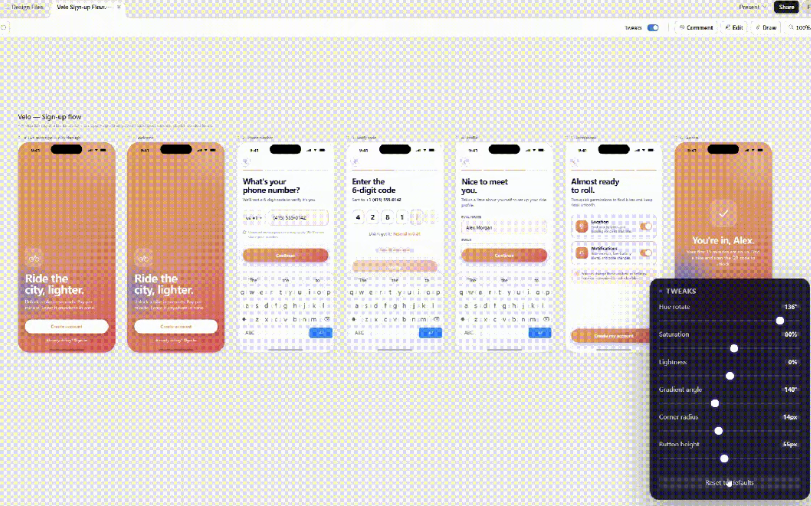
And when you’re done, you can export to PDF or PPTX, or send it into Canva with one click for further refinement.
Canva’s CEO publicly supported it on launch day—the two are officially partnered.
Claude Design as a Real Productivity Weapon
Even more aggressive: the design can be packaged and handed off with one instruction to Claude Code, and AI turns the design into runnable code.
From idea in your head → interactive prototype → deployable product, Claude Design connects the whole pipeline, representing a massive shift akin to the evolution from vibe coding to wish coding.
One person can now do what used to take three.
You don’t need to know Figma, and you don’t even need to know vibe coding. You just need to know what you want, and Claude Design handles the rest.
What we get is already iterated, ready-to-use component code—no need to rebuild mockups anymore.
The Downsides of Claude Design You Should Know: Pricing and Limits
Of course, there are pitfalls.
Claude Design burns through usage limits fast. PCWorld tested it—Pro users ($20/month) used it for about 30 minutes and basically consumed a whole week’s quota.
Reason: Claude Design runs on Opus 4.7, Anthropic’s latest flagship model. Each interaction eats a huge amount of tokens, though its deep adaptive thinking ensures the quality of the generated UI logic is incredibly high.
On Reddit, people complain that just two or three full prompts can wipe out the weekly quota.
The good part is, design usage is calculated separately from chat and Claude Code, so they don’t compete.
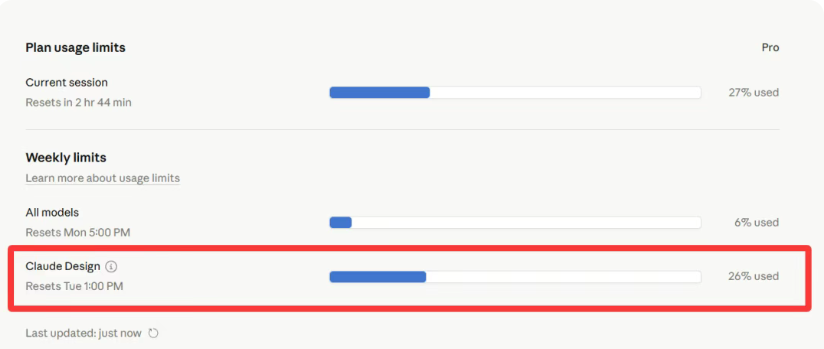
But if you’re a Pro user, you really need to plan your usage—don’t jump straight into big projects.
Another issue: many users on Reddit say that without uploading your own design system, Claude Design outputs tend to look similar—serif fonts, colorful highlight bars, stacked card layouts.
So if you want to use Claude Design in real work, the first thing is to feed it your brand colors, fonts, and component styles, let it learn your visual language.
Claude Design vs Figma: What Changes
Figma’s moat is the collaboration ecosystem built over 10 years—component libraries, team workflows. Claude Design can’t replace that yet.
But long term, Claude Design’s real impact is interception.
The next wave of founders, PMs, marketers—who might have become Figma users—could start directly with Claude Design from day one, never needing to learn Figma at all.
What Figma risks losing is future growth.
Who Should Use Claude Design
Claude Design is especially useful if you are:
- A startup founder who needs fast prototypes
- A product manager who wants to visualize ideas quickly
- A marketer building landing pages or pitch decks
- A non-designer who just wants something that looks good
If you already have a strong design workflow inside Figma, you may not switch immediately.
But if you’re starting from zero, Claude Design is a very different entry point.
Style Control in Claude Design
One real issue right now is consistency.
Many users on Reddit say that without uploading your own design system, Claude Design outputs tend to look similar—serif fonts, colorful highlight bars, stacked card layouts.
So if you want to use Claude Design in real work, the first thing is to feed it your brand colors, fonts, and component styles.
Once it learns your visual language, the results get much closer to something usable.
Will Claude Design Replace Designers?
Not immediately.
Design is not just about generating layouts—it’s about systems, collaboration, and long-term iteration.
But what Claude Design does is lower the barrier massively.
A lot of “good enough” design work—especially early-stage prototypes, marketing pages, internal decks—can now be done without a dedicated designer.
That shift alone is big enough.
Practical Tips Around Claude Design
A lot of work really can’t go back now. The old way—sending files back and forth, constant alignment, trading time for results—is basically dead.
What got hit this time is an entire way of working people were used to.
Anthropic used Claude Code to win over developers, now with Claude Design it’s going after creators and product managers.
Turning ideas into reality has never been this easy.
If you’ve already tried Claude Design, describe your feeling in one word?