最近、OpenClawが非常に人気を集めています。.
赤いロブスターのロゴが特徴のこのオープンソースAIアシスタント「OpenClaw」は、わずか数日でGitHub上で16万個以上のスターを獲得しました。.

まるで24時間365日稼働するオンラインのスーパーアシスタントのようなものです。WhatsAppやTelegramなどのチャットツールを通じて指示を送るだけで、メールの処理、カレンダーの管理、ウェブの閲覧、ファイルの管理はもとより、コードの実行や複雑なタスクの遂行まで自動的に行えます。これは、次のような現代の開発手法を完璧に補完するワークフローです。 バイブコーディングを正しく行う.
しかし、人気がある一方で、多くの問題も抱えています。導入が複雑でコンプライアンスへの対応が不十分であることに加え、最も批判されているのは、セキュリティ上の脆弱性が頻繁に発生しているという点です。.
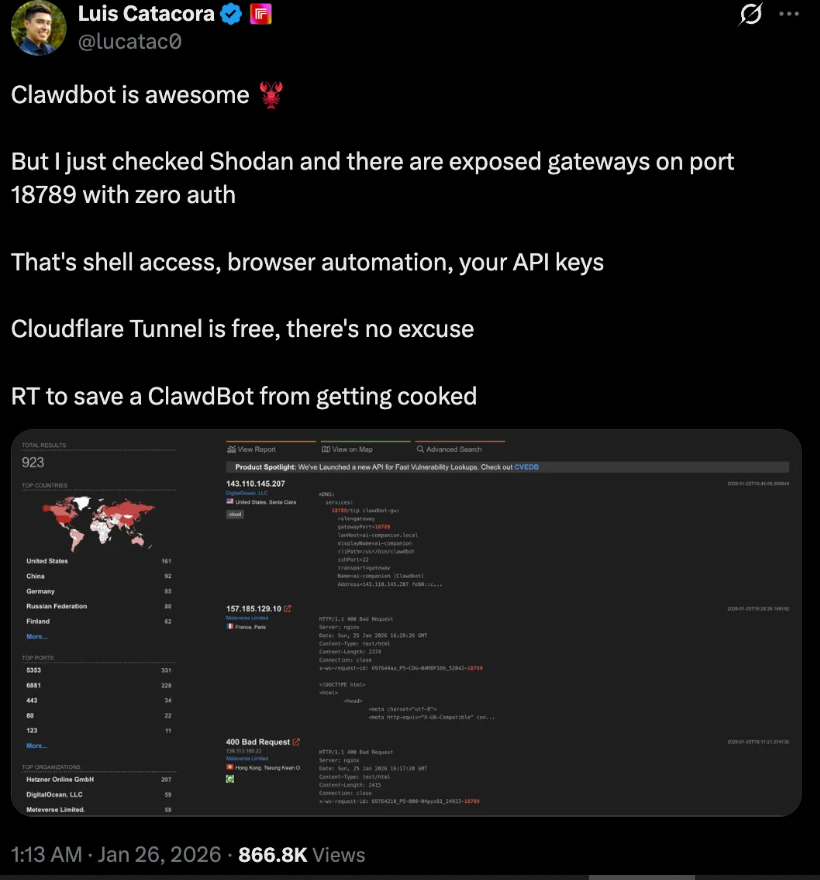
一部のユーザーがShodanで検索したところ、ポート18789で動作している多くのゲートウェイが開放されており、認証が一切行われていないことが判明しました。これにより、シェルへのアクセス、ブラウザの自動化インターフェースへの不正アクセス、およびAPIキーの漏洩につながる可能性があります。.
実際、OpenClawでは、上記のタスクを完了させるために、さまざまなローカルまたはリモートのツールをスケジュールするために、統合されたゲートウェイハブに依存しています。しかし、問題もここにあります。ゲートウェイに統一的なガバナンスが欠如し、ツールへの呼び出しが制御不能になると、セキュリティリスクが急激に高まります。.
したがって、次のような結論が導き出されます。OpenClawはエージェントアプリケーションレベルにおいて目覚ましい革新性を示しており、探索やテストには非常に適していますが、企業の本番環境にはまだ適していません。.
OpenClawのジレンマが明らかにした、企業におけるエージェントツールの必要性
OpenClawが抱えるジレンマは、エンタープライズレベルのエージェントに実際に求められる要件――強力な機能だけでなく、セキュリティ、制御性、容易な統合、そしてスケーラブルな展開――をも反映しています。これこそが、Volcano Engine AgentKitが解決を目指している課題なのです。.
Volcano Engine AgentKitは、エンタープライズ向けエージェント導入における3つの主要な課題、すなわちツールの分散、非効率的な呼び出し、およびセキュリティリスクを解決します。これは、AIによるリバースエンジニアリングを通じて既存システムを変革すること、MCPに基づく精緻なツールの呼び出し制御とガバナンスによってトークンの消費を削減すること、そしてゼロトラストIDシステムを用いたスキル資産管理によって実現されます。.
これらの利点は、すでに実際の事例によって実証されています。.
例えば、小売業界では、ある全国規模のチェーン小売グループがかつて、多大な業務上のプレッシャーに直面していました。カスタマーサービスチームは毎日、膨大な数の繰り返しの問い合わせに対応しなければならず、情報照会プロセスも断片化していました。 カスタマーサービス担当者は、CRM、WMS、OMSなど10以上のシステム間を頻繁に切り替える必要があり、1件の照会処理に最大2分かかることもありました。.
AgentKitの「Tools」ソリューションを導入することで、同社はバックエンドのコードを変更することなく、MCPサービスを活用して50以上のコアインターフェースを、意味論的な記述を備えたインテリジェントなツールへと変換しました。この「コード変更不要」の統合により、エージェントは経験豊富な従業員のように、複雑なユーザーの意図を理解できるようになりました。.
ユーザーが「注文Aの特典は何ですか」と尋ねると、エージェントが自動的にインテントを分解し、注文照会、リアルタイム在庫、プロモーションルールツールを順次呼び出すことで、照会時間を数分から数秒に短縮します。 同時に、ツール呼び出しの精度が向上したことで、1回の対話あたりのトークン消費量が70%削減されました。.
同様の仕組みはフィンテック分野でも実証されています。ある国際送金企業は、AgentKitの「Skill Studio」を活用し、複雑なコンプライアンスおよびリスク管理戦略を実行可能な「スキル」としてパッケージ化しました。これにより、コンプライアンスの専門家はコードを記述することなく、「国際間の大口取引クラスタリング分析」といったスキルパッケージを展開できるようになり、規制対応にかかる時間を数週間から数時間に短縮することができました。.
さらに重要なのは、エージェントが不審な取引について生成する各「決定レポート」には、明確な推論の経緯が記載されており、これによりコンプライアンス監査の負担が大幅に軽減される点です。.
OpenClawがエージェントツールの課題を浮き彫りにする理由
エージェントツールはこれほど有用であるにもかかわらず、なぜ今になってようやく企業での導入が進み始めたのでしょうか?
これにより、3つの長年の課題が生じています。それは、ツールの断片化、接続の複雑さ、そしてガバナンスのブラックボックス化です。.
企業にはツールが不足しているわけではない。むしろ、ツールが多すぎて、状況は混沌としている。既存のAPIやレガシーサービスは数万にも上り、フォーマットはまちまちで、ドキュメントも不完全であり、統一された連携基準も存在しない。.
これらのツールは中核となる業務データと連携しているため、無視することはできません。しかし、エージェントと外部ツールとのやり取りに用いられるプロトコルはMCPであるのに対し、多くのエンタープライズサービスでは依然として従来のHTTP APIが使用されています。手作業で一つずつ再構築することに頼ると、開発サイクルが数ヶ月にも及ぶ可能性があり、ビジネスのニーズに対応できなくなってしまいます。.
ツールを連携させた後も、別の問題が生じます。ツールの数が一定規模に達すると、誰が何を、どのような権限で呼び出しているのか、その結果が規定に準拠しているのかどうかを把握することが不可能になります。従来の静的なAPIキーや長期有効なトークンでは、呼び出し元のプロセスを追跡できないため、監査を行うことができません。ツールの呼び出しはブラックボックス化してしまい、企業としてはこれを受け入れることはできません。.
OpenClawの背景 — エージェントツールの設計手法
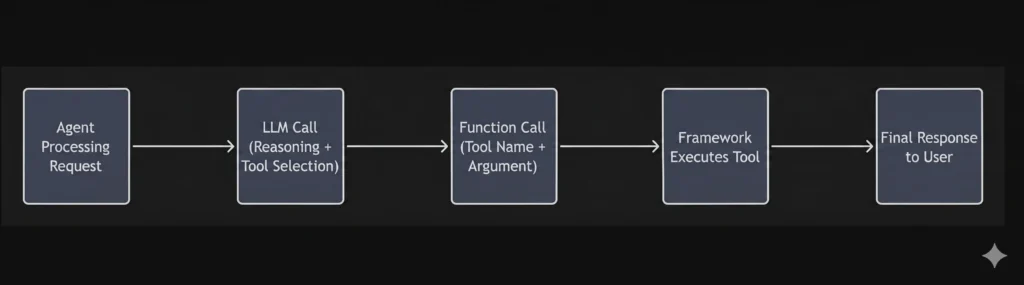
こうした課題に対応するため、Volcano Engineでは、エージェント・ツールのライフサイクルの5つの段階にわたるツール設計における重要な要素と手法をまとめています。.
この観点から言えば、ツールとは、高度な能力を持つ大規模言語モデルなどを結びつける「感覚」や「手足」のようなものである。 クロード 作品4.7, 、現実の世界へと。適切なエージェント・ツールとは、理解しやすく、安全で、耐障害性のあるインターフェースでなければならない。.
開発の際には、開発者はPythonの型システムを最大限に活用し、パラメータの検証にはPydanticのBaseModelと組み合わせ、Literalを使用して列挙型の値を制限するとともに、明確なデフォルト値を設定することで、モデルが「当てずっぽうで推測する」ことを根本的に防ぐべきです。“
インターフェース設計のレベルにおいて、LLMは従来のプログラムのように技術文書を通じてAPIを理解することはできません。比較した際の改善点からも明らかなように、 Claude Opus 4.7 対 Opus 4.6, 、モデルはツールの使い方を判断する際、自然言語による説明に大きく依存しています。そのため、開発者は、Docstring の精緻化に多大な労力を費やし、例やサンプルケースを用いて正確なパラメータの引き渡しをガイドするとともに、複雑なインターフェースを、明確なパラメータと役割を持つより小さなツールに分割することで、「単一責任の原則」を遵守する必要があります。.
オーケストレーションのレベルでは、MCPツールが明確に定義された後、開発者は独立したツールをどのようにタスクフローに組み込むかを検討する必要があります。その重要な原則は、タスク指向のパッケージ化と、「プログレッシブ・ディスクロージャー」戦略を用いて、タスクの進捗状況に応じて関連するツールを動的に提供し、ツールの過剰による混乱を避けることです。.
ツールが実行段階に入ると、自己修復機能の構築が極めて重要になります。ツールはエラーが発生した際に直接例外をスローするのではなく、修復案を含む構造化された情報を返す必要があります。これにより、プラグインがエラーをインターセプトし、エージェントに自動再試行を指示できるようになります。.
セキュリティを確保するためには、「ヒューマン・イン・ザ・ループ」の仕組みが不可欠です。重要な操作は、実行前に人間による確認が必要です。同時に、非同期呼び出しや結果の集約といったパフォーマンス最適化手法を用いることで、コンテキストオーバーフローを効果的に防止し、複雑なタスクにおいても高速な応答を確保することができます。.
OpenClaw 対 エンタープライズソリューション — AgentKit の 3 つの主要機能
Methodologyはツールを適切に設計する方法に焦点を当てているのに対し、AgentKitは企業環境においてそれらを大規模に実装する方法に重点を置いています。.
AgentKitは、高同時アクセストラフィックを処理し、数百万QPSに対応する新しいゲートウェイハブを構築するとともに、エージェントに企業のレガシーインターフェースを理解させるという重要な課題を解決します。.
AgentKit Gatewayは、インテリジェントな「AIコンバーター」を提供し、企業のAI変革に向けた障壁を大幅に低減します。ユーザーはSwagger/OpenAPIドキュメントやコードをアップロードするだけで、モデルが自動的にMCP標準に準拠したツール定義を生成し、不足しているパラメータの説明や使用方法の解説を補完します。.
同時に、エージェントへの呼び出しをシミュレートし、ツールが正常に動作するか、また返される形式が標準化されているかを確認するためのテストケースが自動的に生成されます。変換後、ビジネスロジックのコードを変更することなく、ツールをゲートウェイにホットロードすることができます。.
このインテリジェントな変革により、手作業による再構築と比較してコストを80%削減できます。AIが生成したプロンプトが正しく理解される確率は95%を超え、過去のAPIをMCPツールに変換する自動化率は90%に達します。こうした効率性を適切に管理することは、企業の予算管理において極めて重要であり、これは慎重に評価することと同様に クロード 作品4.7 価格設定 モデルを大規模に展開する場合。.
ツールの数が増えるにつれ、正確かつ効率的な呼び出しを確保することが極めて重要になります。AgentKit Gatewayは、トラフィック層、制御層、データ層にわたる統合的なガバナンスを実現するための中核的なハブとして機能します。.
トラフィック層では、エージェントからMCPへの通信、エージェント間通信、エージェントからモデルへの通信を問わず、すべての通信が一元的に処理されます。制御層では、ゲートウェイコンソールを使用して、MCPルーティング、モデルルーティング、負荷分散戦略、レート制限、およびセキュリティの設定を行うことができます。 データ層では、MCP、API、スキルなどのメタデータを含め、エージェントに関連するすべてのメタデータが、統一されたライフサイクル管理の下で管理されます。.
ネイティブMCP呼び出しにおけるコンテキストの冗長性、トークンの過剰消費、および幻覚現象といった問題に対処するため、AgentKitではツール検索・リコール機能を導入しました。ユーザーはMCPツールの組み合わせをカスタマイズし、タグベースの検索を利用してシナリオやカテゴリに基づいてツールを段階的に拡張できるため、効率と精度が向上します。.
テストデータによると、50以上のツールを含む複雑なワークロード下では、トークンの使用量が70%減少することが示されています。スキーマの最適化により、複雑なツール呼び出しにおけるパラメータの精度は98.5%に達し、セマンティックキャッシュによって応答速度が300%向上します。.
再利用性と管理性を向上させるため、AgentKitでは、MCP、スキル、その他のリソースを一元的に管理する「Registry」コンポーネントを導入しています。.
同時に、スキルが企業のコアとなるデジタル資産として導入されます。これらはClaude Code Skillsと完全に互換性があるだけでなく、エンタープライズレベルの管理機能も備えています。.
AgentKitは、スキルの開発やテストからリリース、廃止に至るまでの全ライフサイクル管理を提供します。プラットフォームの機能を通じて、スキルの管理は「生成」、「管理」、「検出」、「実行」の4つの段階に分けられます。.
開発者は、組み込みのスキル作成ツールを使用して、SOP、テンプレート、スクリプトを再利用可能なスキルパッケージに変換できます。これらはスキルセンターで登録、更新、バージョン管理されるため、チーム間の共有、バージョンの混乱、権限の境界が不明確といった問題が解決されます。 最後に、「スキルサンドボックス」は、オンデマンドでスキルをロードし、意思決定のためにLLMと連携し、隔離された環境でタスクを実行します。.
OpenClawとセキュリティ — アイデンティティとゼロトラストアーキテクチャ
セキュリティは、エージェントが企業の本番環境にアクセスする際の重要な障壁となっています。.
自律実行のシナリオでは、エージェントが人間の確認なしに、複数ステップにわたるシステム横断的なツール呼び出しを実行できるため、リスクが生じます。制御不能になったエージェントは、数秒のうちに複数の機密性の高い操作を実行してしまう可能性がありますが、従来の認証システムでは、誰が、どのような条件下で、どのような権限を用いてその呼び出しを開始したかを追跡することができません。.
AgentKit Identityは、実行時にアイデンティティと権限を再定義します。「エージェント・ペルソナ」と「委任チェーン」を導入することで、すべてのツール呼び出しにゼロトラストポリシーを適用し、制御性、追跡可能性、および監査可能性を確保します。.
具体的には、AgentKitは長期鍵を動的な一時認証情報に置き換え、エンドツーエンドの委任チェーンと組み合わせることで、きめ細かな認証を実現します。.
委任チェーンは、エンドユーザーの身元情報、エージェント・ペルソナ、およびセッションまたはタスクのコンテキストを、検証可能な身元チェーンとして結びつけ、ツールの呼び出し時にこれを安全に送信します。.
これにより、すべてのツール呼び出しにおいて委任チェーン全体が検証され、権限が実際の実行者に合致するようになり、真の最小権限の原則と完全な説明責任が実現されます。.
OpenClawの先にある未来 — エンタープライズグレードのエージェントの進化
2026年の初頭、OpenClawによって引き起こされたエージェントの急増は、エージェントが現実世界に入り込む可能性を示唆している。しかし、これを企業環境に適用する場合、この可能性はしばしば重大なセキュリティ上の懸念へとつながる。.
このオープンソースプロジェクトは魅力的なビジョンを提示しているものの、その基盤となるアーキテクチャにはプライバシー保護や権限管理の面で明らかな欠点があり、コミュニティ内では違法利用への懸念さえ生じている。.
Volcano Engine AgentKit は、より包括的なソリューションを模索しています。.
エンタープライズレベルのAIエージェントライフサイクルプラットフォームであるAgentKitは、ランタイム、メモリ/ナレッジベース、組み込みツール、ゲートウェイ、ID管理などのインフラ機能を提供し、企業がエージェントを安全に開発、導入、運用できるよう支援します。.
AgentKitは、ゼロトラストアーキテクチャと動的な認証情報メカニズムを通じて、すべてのツール呼び出しに対して信頼性の高いセキュリティ層を構築し、エージェントシステムをエンタープライズ環境での導入に適したものとしています。.
このインフラストラクチャを基盤として、Volcano Engineは、CUA、MCP、およびあらかじめ構築されたスキルを統合したエンタープライズレベルのインテリジェントアシスタントを、ヒューマン・イン・ザ・ループによる承認、きめ細かなIAM、および永続的なワークスペースの仕組みとともにリリースします。これにより、AIはパーソナルアシスタントから、責任あるプロセス主導型のエンタープライズ向け「デジタル従業員」へと進化していくでしょう。“
今後、エージェント間の競争は、知能からツールチェーンへと移行していくでしょう。大規模モデルが推論の基盤を提供する一方で、実運用可能なエージェントツールが、ビジネスへの導入の深さを決定づけることになります。.
企業に必要なのは、AgentKitのようなガバナンスハブです。これは、トラフィック、制御、データを統合し、既存のデジタル機能をエージェントが柔軟に活用できる資産へと変革するとともに、AI主導の時代における新たな競争ルールを定義するものです。.
よくある質問:OpenClaw — 活用事例、安全性、コスト、および主な疑問点
OpenClawはどのような用途に使われますか?
OpenClawは、チャットベースのコマンドを通じて実世界のタスクを自動化するツールです。メールの処理、カレンダーの管理、ウェブサイトの閲覧、ファイルの整理、コードの実行などを行い、24時間365日稼働するAIエージェントのように機能します。.
OpenClawとClawdBotは同じものですか?
いいえ。OpenClawはオープンソースのAIエージェントフレームワークですが、「ClawdBot」とは通常、OpenClawを基盤として構築された、デプロイ済みのインスタンスやユーザーが作成したバージョンを指します。.
OpenClawは安全に使用できますか?
完全とは言えません。OpenClawには、認証のないゲートウェイが公開されているなど、既知のセキュリティリスクがあり、これによりAPIキーの漏洩、シェルへのアクセス、不正な制御につながる可能性があります。本番環境での使用よりは、テスト環境での使用の方が安全です。.
OpenClawは無料ですか、それとも有料ですか?
OpenClawは無料でオープンソースです。ただし、実行するには、AIモデルAPI、クラウドホスティング、サードパーティ製ツールなどの有料サービスが必要になる場合があります。.
OpenClawの運用にはどれくらいの費用がかかりますか?
費用は利用状況によって異なります。主な費用には、API呼び出し、サーバーインフラ、自動化ワークフローなどが含まれます。利用量が少ない場合は数ドル程度ですが、ワークロードが大きい場合は、その費用が大幅に高くなる可能性があります。.
AIにおける「30%」ルールとは何ですか?
「30%の法則」によれば、AIは構造化された作業や反復的な作業のうち、およそ30%を確実に自動化できる一方、残りの作業については依然として人間の判断、監督、検証が必要とされる。.
OpenClawの無料版はありますか?
はい。OpenClawのコアバージョンは無料です。追加費用は、OpenClawと組み合わせて利用することを選択したサービスやインフラにかかるもののみです。.
OpenClawの運用にはどれくらいの費用がかかりますか?
代表的な費用には、次のようなものがあります:
- AIモデルのAPI利用状況
- クラウドまたはローカルサーバーのリソース
- オプションの連携機能とツール
総費用は、規模や利用状況によって大きく異なります。.
OpenClawにはサブスクリプションが必要ですか?
いいえ。OpenClaw自体にはサブスクリプションは必要ありませんが、AI APIやクラウドプラットフォームなど、多くの関連サービスでは、利用量やサブスクリプションプランに基づいて課金される場合があります。.