Anthropic ha raggiunto una valutazione di quasi $1 trilioni sul mercato secondario privato, superando ormai OpenAI in termini di interesse. Alla base dell’impennata della valutazione di Anthropic vi sono la scarsità di azioni, la crescita dei ricavi e lo slancio dei prodotti di Claude Code, e il capitale che punta nuovamente sui punti di accesso alle piattaforme di intelligenza artificiale.
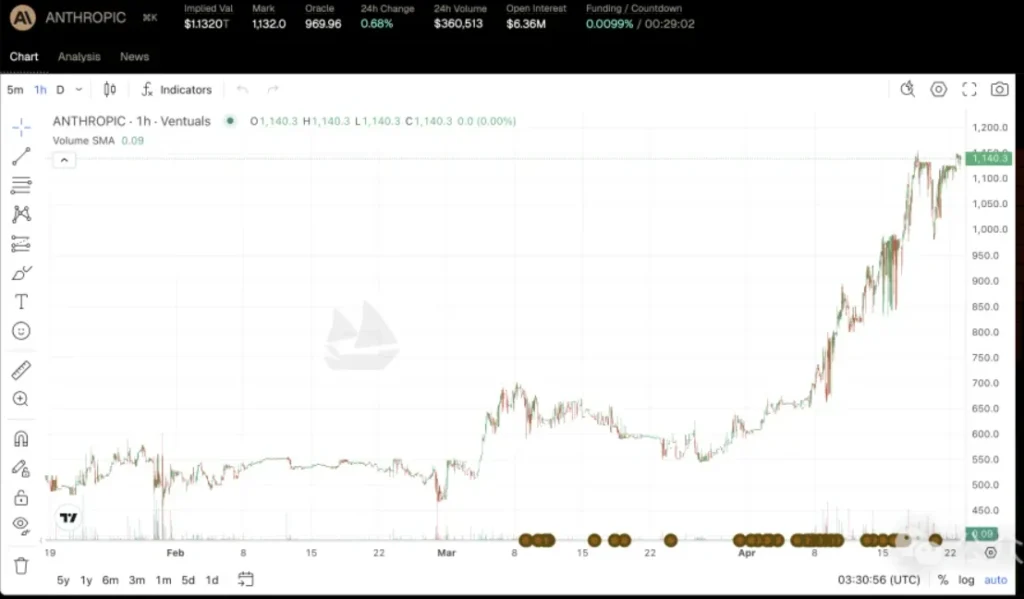
Nelle ultime settimane, Anthropic è diventata l’azienda più in voga nel mercato secondario privato della Silicon Valley.
Su piattaforme di negoziazione di titoli azionari non quotati come Forge Global, la valutazione di Anthropic ha già sfiorato $1 trilioni. Alcuni venditori propongono cifre ancora più elevate, comprese tra $1,05 trilioni e $1,15 trilioni.
In confronto, la valutazione di OpenAI su piattaforme simili si attesta intorno a $880 miliardi, leggermente superiore alla valutazione registrata a marzo di quest’anno in occasione della raccolta fondi, pari a $852 miliardi, ma il suo interesse di mercato è già sceso al di sotto di quello di Anthropic.
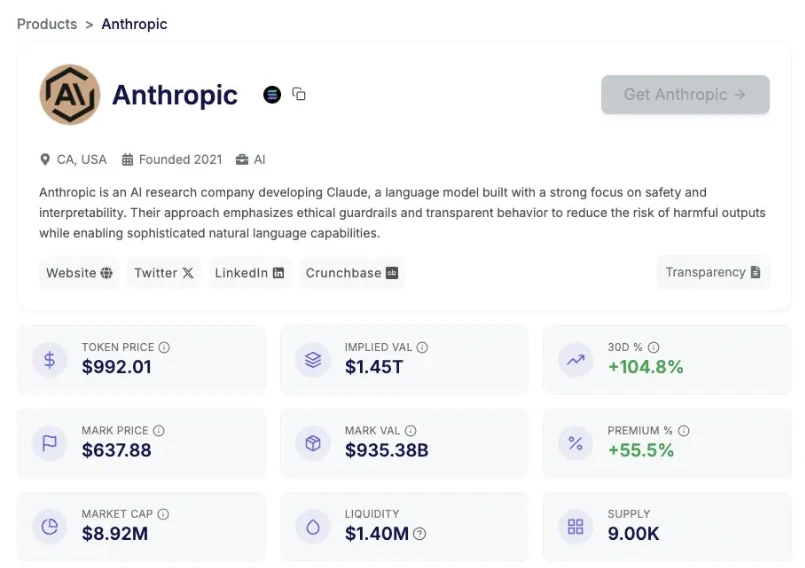
Questo cambiamento nei prezzi ha innanzitutto modificato il sentiment del mercato.
Negli ultimi due anni, OpenAI si è sempre trovata al centro del mondo dell’intelligenza artificiale, con la maggiore presenza nella mente degli utenti, il più completo effetto di ricaduta sui prodotti e il più chiaro riconoscimento del marchio.
Anthropic ha da tempo assunto il ruolo di concorrente di alto livello, grazie a modelli dalle elevate capacità, a uno stile organizzativo sobrio e a mosse commerciali relativamente contenute.
Questa volta, il mercato secondario ha stilato una nuova classifica. Il capitale ha iniziato a considerare Anthropic come il titolo più raro, con un andamento al rialzo più ripido.
La valutazione di Anthropic: il mercato secondario tiene conto innanzitutto della scarsità, poi del consenso
L'offerta si riduce, i prezzi salgono alle stelle
Gli aggiornamenti sui prezzi delle società private si basano principalmente sui round di raccolta fondi e sulle cessioni sul mercato secondario.
Il primo caso si verifica raramente. Il secondo riflette più facilmente l’andamento a breve termine della domanda e dell’offerta. L’attuale aumento della valutazione di Anthropic è stato determinato innanzitutto da una rapida contrazione dell’offerta.
Tre mesi fa, l’ultima tornata di raccolta fondi di Anthropic era ancora valutata a circa $380 miliardi.
In breve tempo, le quotazioni sul mercato secondario sono già più che raddoppiate.
Per gli azionisti esistenti, un rialzo del genere è avvenuto troppo rapidamente, per cui la propensione a mantenere le proprie partecipazioni è naturalmente aumentata.
Negli ultimi tempi molti azionisti hanno ricevuto con una certa frequenza offerte di acquisto, ma pochissimi sono effettivamente disposti a vendere.
Le azioni in circolazione sul mercato erano già di per sé limitate. Non appena l'offerta da parte dei venditori si riduce, il prezzo sale molto rapidamente.
Impennata della domanda di risorse per l’intelligenza artificiale, ormai scarse
Il cambiamento dal lato degli acquirenti è ancora più evidente.
I fondi di crescita, i family office e gli investitori istituzionali in fase avanzata stanno tutti puntando su Anthropic. Il motivo principale è semplice: gli asset di punta nel settore dell’intelligenza artificiale non si sono ancora veramente aperti al mercato pubblico, le azioni primarie sono altamente riservate e il mercato secondario è diventato uno dei pochi canali rimasti per entrare nel settore.
Quando una grande quantità di capitale si riversa contemporaneamente su un numero molto esiguo di azioni, il prezzo si discosta rapidamente dall'andamento abituale ed entra in un intervallo determinato dalle aspettative.
A questo punto, la quotazione non riflette più solo il valore attuale dell’azienda. Riflette anche una valutazione: nei prossimi anni, Anthropic avrà la possibilità di diventare una delle pochissime aziende produttrici di piattaforme di IA con le prospettive più certe?
Rivalutazione di Anthropic: trainata dalla crescita dei ricavi e dal codice Claude
La crescita dei ricavi rappresenta il limite minimo
La popolarità di Anthropic non è determinata esclusivamente dal sentiment del mercato.
Più in linea con l’effettiva logica di trading, recentemente ha fornito due risultati facilmente valutabili dal mercato: uno è il ritmo di crescita dei ricavi, l’altro è l’estensibilità del prodotto rappresentata da Claude Code.
La crescita del fatturato determina il livello minimo della valutazione di Anthropic.
Le capacità del modello possono essere raggiunte nel giro di sei mesi. Una curva di commercializzazione stabile è invece molto più difficile da replicare.
Le società di investimento sono più disposte a investire in aziende che registrano una crescita sostenuta dei ricavi, poiché ciò significa che l’azienda ha già iniziato a trasformare il proprio vantaggio tecnologico in aspettative di flussi di cassa ripetibili e scalabili.
Per le aziende che operano nel settore dell’intelligenza artificiale, oggi chi riesce a creare per primo una struttura di ricavi ha maggiori probabilità di ottenere un multiplo più elevato.
Claude Code supera i limiti
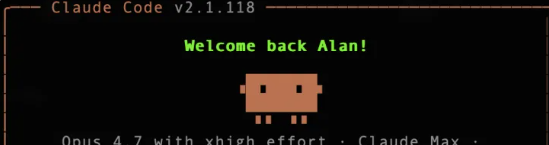
Claude Code, dal canto suo, alza il tetto massimo di valutazione.
La programmazione è uno dei contesti in cui l’intelligenza artificiale può trasformare più facilmente il valore in qualcosa di concreto. Il suo impiego è frequente e i risultati sono anche più facili da misurare.
Gli sviluppatori sono disposti a pagare per garantire l'efficienza, e anche le aziende sono disposte a pagare per garantire flussi di lavoro stabili.
Finché il mercato riterrà che Anthropic abbia ancora margini per continuare a espandersi in generazione di codice, la collaborazione tra agenti e gli strumenti di sviluppo aziendale, la sua identità si trasforma da azienda modello a azienda di infrastrutture che potrebbe diventare il punto di accesso per gli sviluppatori.
Il mercato dei capitali è disposto a concedere a questi ultimi un margine di manovra più ampio.
La valutazione di Anthropic rispetto a quella di OpenAI: uno sconto partendo da un livello più elevato
OpenAI rimane al centro della scena
Il raffreddamento del mercato secondario di OpenAI non significa che i suoi fondamentali abbiano subito un’inversione di tendenza.
Per quanto riguarda il marchio, la distribuzione e la gamma di prodotti, OpenAI rimane il punto di riferimento del settore.
Il problema principale è che il suo punto di partenza per la valutazione è troppo alto.
Una valutazione ai fini della raccolta fondi pari a $852 miliardi ha già scontato nel prezzo l'ottimismo del mercato riguardo a diversi anni di crescita futura.
Le elevate aspettative limitano il potenziale di rialzo a breve termine
Per continuare a investire a questi livelli, gli investitori hanno bisogno di maggiori certezze: se la realizzazione dei ricavi sia sufficientemente rapida, se il controllo organizzativo sia sufficientemente stabile e se il percorso verso la redditività sia sufficientemente chiaro.
Un altro motivo è che la vicenda di OpenAI è già stata analizzata in modo abbastanza approfondito dal mercato.
La portata dell’utenza di ChatGPT, la sua struttura multimodale, la linea di prodotti aziendali, l’orientamento verso gli agenti e le ambizioni della piattaforma sono tutti aspetti ben evidenti.
Un'elevata visibilità porta benefici cognitivi, ma riduce anche lo spazio per le sorprese a breve termine.
Per gli acquirenti sul mercato secondario, OpenAI rimane un asset di alta qualità, ma è difficile considerarlo un’opportunità di investimento che non sia stata ancora pienamente scoperta.
Anthropic si trova in una fase diversa.
Ha un numero inferiore di azioni disponibili, la sua storia si evolve più rapidamente e il suo prezzo è ancora in una fase di rapida rivalutazione.
Il mercato secondario predilige naturalmente questo tipo di attività, poiché l'elasticità è maggiore e il sentiment può influenzare più facilmente le transazioni.
Valutazione di Anthropic e dinamiche di mercato: Forge Global come amplificatore
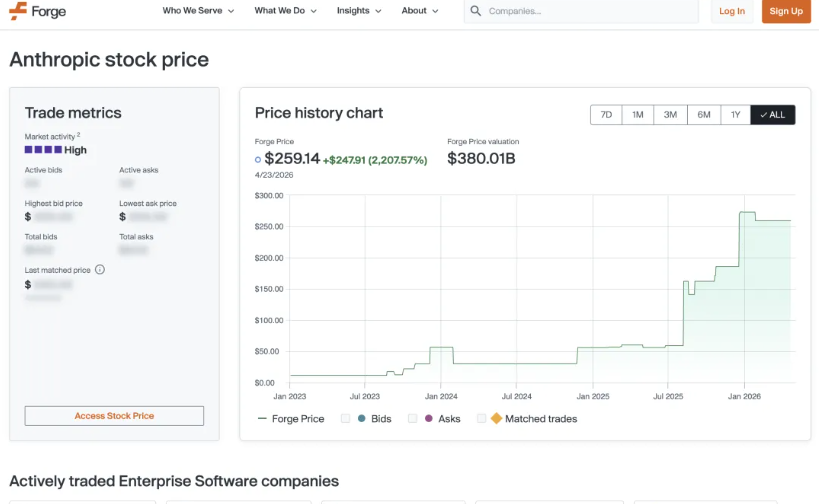
Piattaforme come Forge Global hanno svolto un ruolo di amplificatore in questa fase di forte aumento della valutazione di Anthropic.
I prezzi sul mercato primario si aggiornano lentamente e spesso si formano solo tra un numero ristretto di istituzioni.
Le piattaforme secondarie riuniscono acquirenti e venditori sparsi, aumentando la probabilità che ogni richiesta, annuncio e transazione diventi un nuovo punto di riferimento per i prezzi.
Quando un prezzo elevato si diffonde ampiamente sul mercato, i venditori diventano ancora più riluttanti a vendere, mentre gli acquirenti temono che il prezzo successivo sia ancora più alto.
La dinamica psicologica che caratterizza sia l'offerta che la domanda si rafforza.
Questa è anche la caratteristica più evidente del mercato secondario privato: i prezzi spesso anticipano i fondamentali.
Soprattutto considerando che le principali aziende del settore dell’intelligenza artificiale non hanno generalmente fretta di quotarsi in borsa e che le assegnazioni primarie sono vincolate a capitali a lungo termine, il mercato secondario ha assorbito una grande quantità di domanda di assegnazioni che in precedenza non aveva dove andare.
Il rapido aumento dei prezzi presenta alcuni elementi tipici di una bolla, ma trova anche un fondamento reale nella struttura dell'offerta.
La valutazione di Anthropic segnala un cambiamento nella logica di determinazione dei prezzi nel settore dell’IA
Il fatto che Anthropic abbia superato OpenAI sul mercato secondario può sembrare, a prima vista, semplicemente il superamento di una quotazione azionaria rispetto a un’altra, ma dietro a questo fenomeno si nasconde un cambiamento nel modo in cui vengono valutate le aziende del settore dell’intelligenza artificiale.
In precedenza, il mercato si concentrava soprattutto sul confronto tra i modelli per stabilire quale fosse il più performante e chi avesse un maggior numero di utenti.
Oggi gli investitori prestano sempre più attenzione a una serie di domande: chi è in grado di affrontare casi d’uso ad alta frequenza, ad alto rendimento e verificabili; chi è in grado di integrare i modelli in flussi di lavoro stabili; chi è in grado di controllare i punti di accesso per sviluppatori e aziende; e chi è in grado di trasformare la leadership tecnica in ricavi e in una posizione di rilievo sulla piattaforma.
Anthropic sta ricevendo offerte più alte grazie a Claude Code e alla crescita dei ricavi. OpenAI sta registrando un interesse più moderato perché la sua valutazione è già troppo elevata e le aspettative sono già pienamente scontate nel prezzo. In realtà, entrambi i casi indicano la stessa cosa: il criterio di valutazione delle aziende di intelligenza artificiale si sta spostando dalle classifiche dei modelli al controllo dei punti di ingresso e all’esecuzione commerciale.
Il mercato secondario ha semplicemente allineato questo cambiamento alle valutazioni precedenti.