In den letzten Monaten hat sich “Vibe Coding” zu einem weit verbreiteten Schlagwort entwickelt, und viele Entwickler sind begierig darauf, es zu erlernen wie man Vibe Coding richtig macht
. Eine neue Generation von Tools, vertreten durch Cursor, Claude Code und fortschrittliche Modelle wie Claude Opus 4.7 bringt die Effizienz in der Softwareentwicklung auf ein neues Niveau.
Entwickler, die mit technischen Systemen vertraut sind, verzeichnen einen Produktivitätssprung. Sie können in kürzerer Zeit mehr Arbeit erledigen und sogar komplexe Systeme auf eine fast schon “konversationsartige” Weise erstellen.
Doch diese Welle der Effizienz hat die Mehrheit der Menschen noch nicht wirklich erreicht.
Auch wenn KI Zehntausende von Codezeilen generieren kann, werden normale Nutzer nach wie vor durch mühsame Schritte wie die Konfiguration der IDE, das Abhängigkeitsmanagement und die Bereitstellung in der Cloud ausgebremst. Vibe Coding hat die Geschwindigkeit beim Schreiben von Code um ein Vielfaches erhöht, doch die Hürde, “Code in nutzbare Software umzuwandeln”, wurde dadurch kaum gesenkt – es beschleunigt das Programmieren, nicht die Bereitstellung.
Angesichts dieser Lücke beginnen sich die technischen Wege der Branche auseinanderzuentwickeln. Der eine Weg konzentriert sich weiterhin darauf, “Programmierern dabei zu helfen, Code schneller zu schreiben”, während der andere versucht, eine grundlegendere Frage zu beantworten: Können wir den Code ganz überspringen und Software direkt bereitstellen?
Am 20. April liefert die kürzlich aktualisierte Ant Lingguang-App ein bemerkenswertes Beispiel für den letztgenannten Ansatz. Sie versucht, die Produktionsverhältnisse von Software durch das sogenannte “Wish Coding” neu zu gestalten.”
Was „Wish Coding“ bedeutet: Vom Schreiben von Logik zur Beschreibung von Absichten
Das sogenannte “Wish Coding” senkt im Wesentlichen den Einstiegspunkt in die Softwareentwicklung von “Logik schreiben” auf „Absicht beschreiben“. In der Architektur von Lingguang werden herkömmliche Entwicklungsumgebungen, Compiler und Bereitstellungsprozesse im Hintergrund verborgen.
Die Nutzer müssen sich keine Gedanken über die Implementierungswege machen. Sie müssen lediglich die gewünschte Funktion in natürlicher Sprache beschreiben. Das System führt die gesamte Kette im Hintergrund durch – von der Codegenerierung über die Paketierung bis hin zur Bereitstellung – und liefert schließlich eine einsatzbereite Anwendungseinheit.
Dies ist eine ernsthafte Diskussion wert, da damit versucht wird, eine seit langem fehlende Lücke in der KI-Programmierung zu schließen: gewöhnlichen Menschen die Möglichkeit zu geben, den gesamten Prozess von der Idee bis zur lauffähigen Anwendung zu durchlaufen.
Von der Codegenerierung bis zur Softwarebereitstellung: Welche Ebene fehlt?
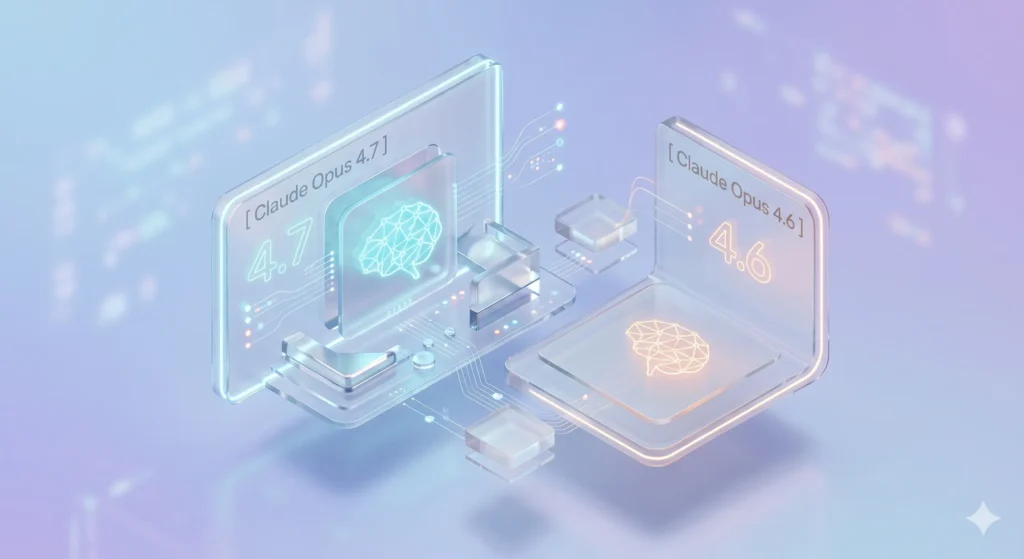
In den letzten zwei Jahren sind nacheinander immer mehr KI-Programmierprodukte auf den Markt gekommen, angetrieben durch rasante Fortschritte bei den Modellen, wie sie beispielsweise bei der Entwicklung von Claude Opus 4.7 im Vergleich zu Opus 4.6. Aus Sicht der Bereitstellung lassen sie sich jedoch immer noch grob in mehrere Ebenen einteilen:
Der erste Typ liefert Codeausschnitte oder Projektdateien, die in der Regel durch Cursor dargestellt werden.
Die zweite Art bietet bearbeitbare Projektumgebungen mit Vorschau-Funktion, wie beispielsweise Bolt.new und Lovable.
Der dritte Typ bietet nun integrierte Funktionen für Entwicklung, Ausführung und Bereitstellung, wie beispielsweise Replit Agent.
All diese Produkte sind wertvoll. Sie setzen jedoch meist eine Voraussetzung voraus: Die Nutzer sind bereit, sich auf den “Entwicklungsprozess” einzulassen, Projektstrukturen zu verstehen, mit Abhängigkeiten umzugehen, Fehler zu beheben und zu entscheiden, wie die Veröffentlichung erfolgen soll.
Für Entwickler ist das kein Problem – genau darin liegt die Effizienz. Für normale Nutzer kann jedoch jeder Schritt in dieser Kette zu einer Hürde werden. Sie können mit diesen Tools zwar Code generieren, aber das bedeutet nicht, dass sie die Anwendung auch tatsächlich ausführen oder nutzen können.
Mit anderen Worten: Entwickler benötigen eine “schnellere Entwicklung”, während normale Nutzer “keine Entwicklung, sondern nur Ergebnisse” wollen. Das sind völlig unterschiedliche Designziele, die völlig unterschiedliche Lösungen erfordern.
Die Antwort von Lingguang lautet „Zero DevOps“. Prozesse wie die Kompilierung von Code, die Erstellung von Umgebungspaketen und die Bereitstellung sind für die Nutzer nahezu unsichtbar. Die Nutzer sehen keinen Code – sie erhalten einfach eine einsatzbereite Endanwendung.
Der Kernmechanismus des Wish Coding: Strukturierte Darstellung von Absichten
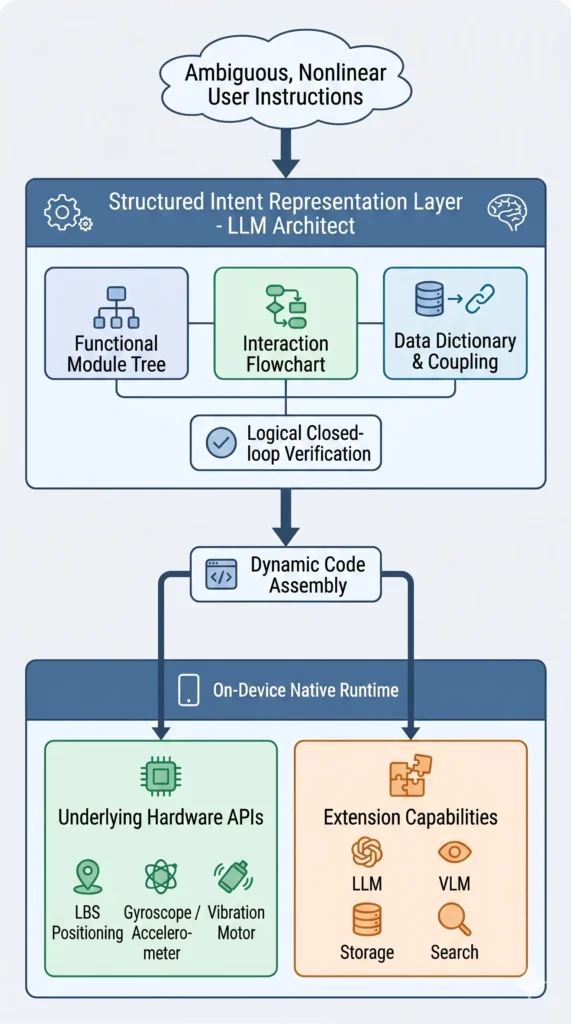
Um eine solche durchgängige Bereitstellung zu erreichen, muss das System die der natürlichen Sprache innewohnende Mehrdeutigkeit und Divergenz auflösen. Was Nutzer sagen, ist oft ungenau, unvollständig oder sogar widersprüchlich. Wie lässt sich dies in ausführbare Software umsetzen?
Dies führt zu dem zugrunde liegenden Kernmechanismus von Lingguang: einer strukturierten Ebene zur Darstellung von Absichten.
Wenn ein unerfahrener Benutzer eine vage oder logisch widersprüchliche Anweisung eingibt, ist der interne Prozess des Modells weitaus komplexer als die bloße Ausgabe von Code und erfordert eine fortgeschrittene Logikauswertung, ähnlich wie bei Claude Opus 4.7 adaptives Denken. Der Agent von Lingguang fungiert als Systemarchitekt. Er zerlegt zunächst natürliche Sprache in einen strengen Baum aus funktionalen Modulen und Interaktionsabläufen und definiert die zugrunde liegenden Datenstrukturen sowie die Kopplungsbeziehungen zwischen den Modulen in einem hochdimensionalen semantischen Raum.
Erst nachdem die Vollständigkeit der logischen Schleife sichergestellt wurde, generiert das System dynamisch Code auf der Grundlage dieser Zwischenstruktur. Diese modulare Architektur gewährleistet, dass die generierte Anwendung über ein stabiles Grundgerüst verfügt. Sie hält mehreren Runden von Modifikationen und Refactorings mittels natürlicher Sprache stand und verhindert so einen Systemzusammenbruch aufgrund einer chaotischen Code-Anhäufung.
Ein weiterer bedeutender Durchbruch liegt in der Integration einer nativen Laufzeitumgebung auf der Geräteseite. Viele Plattformen zur Erstellung von KI-Apps sind durch Browser-Sandboxes eingeschränkt, was bedeutet, dass ihre Ergebnisse nur einfache DOM-Operationen und Rendering ausführen können.
Die “Flash-Apps” von Lingguang laufen hingegen direkt in einem nativen mobilen Container. Mit der Genehmigung des Nutzers können sie auf Echtzeit-Standortdaten (LBS) zugreifen, Neigungs- und Beschleunigungsdaten des Gyroskops auslesen und sogar die Frequenz und Intensität des Vibrationsfeedbacks steuern.
Praxistest: Wie weit reicht ein einziger Satz?
Wir haben außerdem einige Tests durchgeführt.
Wir haben Lingguang beispielsweise gebeten, etwas Ähnliches wie einen “My Spirit Animal”-Test im MBTI-Stil zu entwerfen.
Wir haben das System beauftragt, 30 skurrile Multiple-Choice-Fragen zu erstellen und am Ende Ergebnisse wie “ein melancholischer, grüblerischer Elefant” oder “ein scherzliebendes Capybara” zu generieren, zusammen mit einem sechseckigen Radardiagramm, das sechs ungewöhnliche Dimensionen wie Intelligenz, Vorstellungskraft und Theatralik darstellt.
In weniger als zwei Minuten wurde eine eigenständige Anwendung im Stil eines Mini-Programms erstellt und direkt in der Chat-Oberfläche bereitgestellt.
Zwar hat das System den beabsichtigten Titel “My Spirit Animal” zunächst fälschlicherweise als “Spirit Zoo” interpretiert, doch ließ sich dieser kleine Fehler durch eine einfache Nachanweisung sofort beheben. Von den flüssigen Seitenübergängen bis hin zur endgültigen Darstellung des Radardiagramms war die zugrunde liegende Interaktionslogik durchaus klar und schlüssig.
Programmierassistenten für Verbraucher: Nicht auf Perfektion setzen
Während der Lingguang-Erfahrung traten Überraschung und Rauheit gleichzeitig auf.
Wenn ein Nutzer Lingguang beispielsweise bittet, ein KI-Tool zur Bilderkennung zu entwickeln, wird es höchstwahrscheinlich einen “Simulator” liefern, der lediglich Frontend-UI-Interaktionen ermöglicht, ohne hochgeladene oder aufgenommene Bilder tatsächlich zu verarbeiten. Da natürliche Sprache zudem von Natur aus mehrdeutig ist, können widersprüchliche Anweisungen über mehrere Gesprächsrunden hinweg manchmal zu logischen Unklarheiten und Fehlern führen. Die generierte Benutzeroberfläche wirkt nach wie vor steif – man sieht ihr deutlich an, dass sie von einer KI erstellt wurde.
Allerdings ist es nicht sinnvoll, diese “Flash-Apps” anhand der Maßstäbe für Software in Industriequalität zu bewerten oder Lingguang mit hochwertigen KI-Programmierwerkzeugen zu vergleichen, die für professionelle Entwickler konzipiert sind – wobei Teams oft kommerzielle Faktoren wie Claude Opus 4.7 Preisgestaltung—ist an sich schon eine Diskrepanz.
Als Programmierplattform für Endverbraucher löst Lingguang ein ganz anderes Problem: Wie lässt sich ein funktionsfähiges, lauffähiges System für Nutzer ohne technischen Hintergrund innerhalb eines völlig unstrukturierten Eingaberaums bereitstellen?.
Die Eingaben gewöhnlicher Nutzer sind oft mehrdeutig und fragmentarisch, und das System muss gleichzeitig als Produktmanager, Architekt, Designer und Entwickler fungieren. In diesem hochdimensionalen Prozess der semantischen Konvergenz hat die Gewährleistung eines funktionalen geschlossenen Regelkreises und einer unmittelbaren Nutzbarkeit oberste Priorität, was unweigerlich zu Kompromissen beim visuellen Design oder bei der tiefergehenden Logik führt.
Diese Art von Ungeschliffenheit ist in der Tat eine unvermeidliche Phase, während sich die Softwareentwicklung von der “Eliteproduktion” hin zur “Massenausdrucksform” entwickelt.”
Von der Elite-Technik zur Massenkreativität
Diese Entwicklung erinnert stark an die Anfänge des Internets. Die ersten Webseiten waren noch unausgereift und chaotisch, aber sie erfüllten eine entscheidende Funktion: Sie waren zugänglich. Die ersten mobilen Apps waren zwar instabil, ermöglichten aber ein neues Paradigma: “jederzeit verfügbar”.”
An jedem Wendepunkt der technologischen Einführung hat “benutzerfreundlich” immer Vorrang vor “perfekt”.”
Für professionelle Entwickler mag ein fehlerfreier Algorithmus-Code von unschätzbarem Wert sein. Doch für die 99% Menschen ohne Programmiererfahrung bietet eine gerade noch brauchbare Anwendung, die sofort auf einem Smartphone läuft, einen weitaus größeren Nutzen als perfekte, aber unbrauchbare Codefragmente.
Das ist die zugrunde liegende Logik von Programmieragenten auf Verbraucherebene.
Solange die von ihnen erstellten Anwendungen zuverlässig laufen, sofort einsatzbereit sind und kontinuierlich angepasst und weiterentwickelt werden können, haben sie bereits die entscheidende Schwelle überschritten – von der KI, die Code generiert, hin zur KI, die Software bereitstellt.
Die eigentliche Frage ist nicht, ob sie heute ausgefeilte Anwendungen entwickeln können, sondern ob sie damit neue Möglichkeiten eröffnen: Wenn die Kosten für Versuch und Irrtum gegen Null gehen, können auch ganz normale Menschen ihre Ideen in nutzbare Anwendungen umsetzen.
Lingguang hat zumindest vorläufig bestätigt, dass der Weg von der Absicht bis zur Umsetzung machbar ist.
Eine neue Ära der Kreativität: Der Aufstieg des „Wish Coding“
Im Zuge dieses Upgrades hat Lingguang außerdem “Lingguang Circle” eingeführt – eine soziale Plattform für KI-Anwendungen. Nutzer können die von ihnen erstellten Flash-Apps teilen, und andere können diese mithilfe natürlicher Sprache weiter bearbeiten. Im Grunde handelt es sich dabei um eine Open-Source-Community, die auf Absichten basiert.
Wenn diese Anwendungen innerhalb einer Community in Umlauf kommen und von anderen schrittweise weiterentwickelt werden, zeichnet sich ein neues Modell der Softwareentwicklung ab.
In der traditionellen Softwareentwicklung stützt sich die Iteration stark auf Entwicklungsteams und lange Release-Zyklen. Im Wish-Coding-Ökosystem verhält sich Software jedoch eher wie digitale Plug-and-Play-Inhalte. Nutzer können sofort Tools für spezifische Mikrobedürfnisse erstellen, diese nutzen und sie dann für andere zurücklassen, damit diese darauf aufbauen können.
In einem solchen Ökosystem verschwimmt die Grenze zwischen Produktion und Konsum zunehmend. Die Nutzer sind sowohl Schöpfer als auch Konsumenten. Anwendungen können schnell erstellt, genutzt, geändert und weiterverbreitet werden. Software entwickelt sich zunehmend wie Inhalte auf einer Plattform.
Grenzen gibt es nach wie vor
Natürlich bleiben die Grenzen klar. Für professionelle Ingenieure ist die Entwicklung komplexer Systeme nach wie vor unersetzlich. Anwendungen mit hohen Zuverlässigkeitsanforderungen, kritische Infrastrukturen und komplexe Systeme werden auch weiterhin auf strenge ingenieurtechnische Verfahren angewiesen sein.
Determinismus, Wartbarkeit, Testbarkeit und Konformität verlieren nicht an Bedeutung – sie gewinnen in Systemen mit höherem Wert sogar noch mehr an Bedeutung.
Für eine weitaus größere Bevölkerungsgruppe werden die Hürden bei der Entwicklung digitaler Tools jedoch immer geringer. „Wish Coding“ könnte eine völlig neue Ebene der Softwareentwicklung außerhalb der professionellen Programmierung eröffnen.
Hier verschiebt sich der Maßstab für Kreativität – von der “Fähigkeit, Code zu implementieren” hin zur “Fähigkeit, Absichten auszudrücken”.”
In diesem Sinne zeigt „Wish Coding“ eine Möglichkeit auf: Wenn die Beschreibung einer Anforderung schwieriger wird als deren Umsetzung, verlagert sich der Engpass in der Softwareentwicklung von der technischen Kompetenz hin zum Ausdruck der Absicht.
Möglicherweise befinden wir uns gerade in der Anfangsphase dieses Wandels.
Da die Möglichkeiten der Codegenerierung immer mehr allen zugänglich werden, beschreitet Lingguang einen Weg, der die Eigenverantwortung der Nutzer stärkt – auch wenn dies bedeutet, dass man anfängliche Unausgereiftheiten in Kauf nehmen muss. Für die große Mehrheit der Menschen, die noch nie mit der Welt des Programmierens in Berührung gekommen sind, hat diese neue Ära der ungezügelten Kreativität gerade erst begonnen.